Continuous Condition Monitoring: How to Verify Maintenance Effectiveness

Maintenance teams spend significant time and resources repairing rotating equipment, but one question often remains after the work is complete:

Did it actually solve the problem?

For many facilities, the answer is based on a quick vibration check or simply waiting to see if the equipment continues running. Continuous condition monitoring offers a more objective approach by providing before-and-after performance data that confirms whether maintenance delivered the intended results.

A Real-World Example

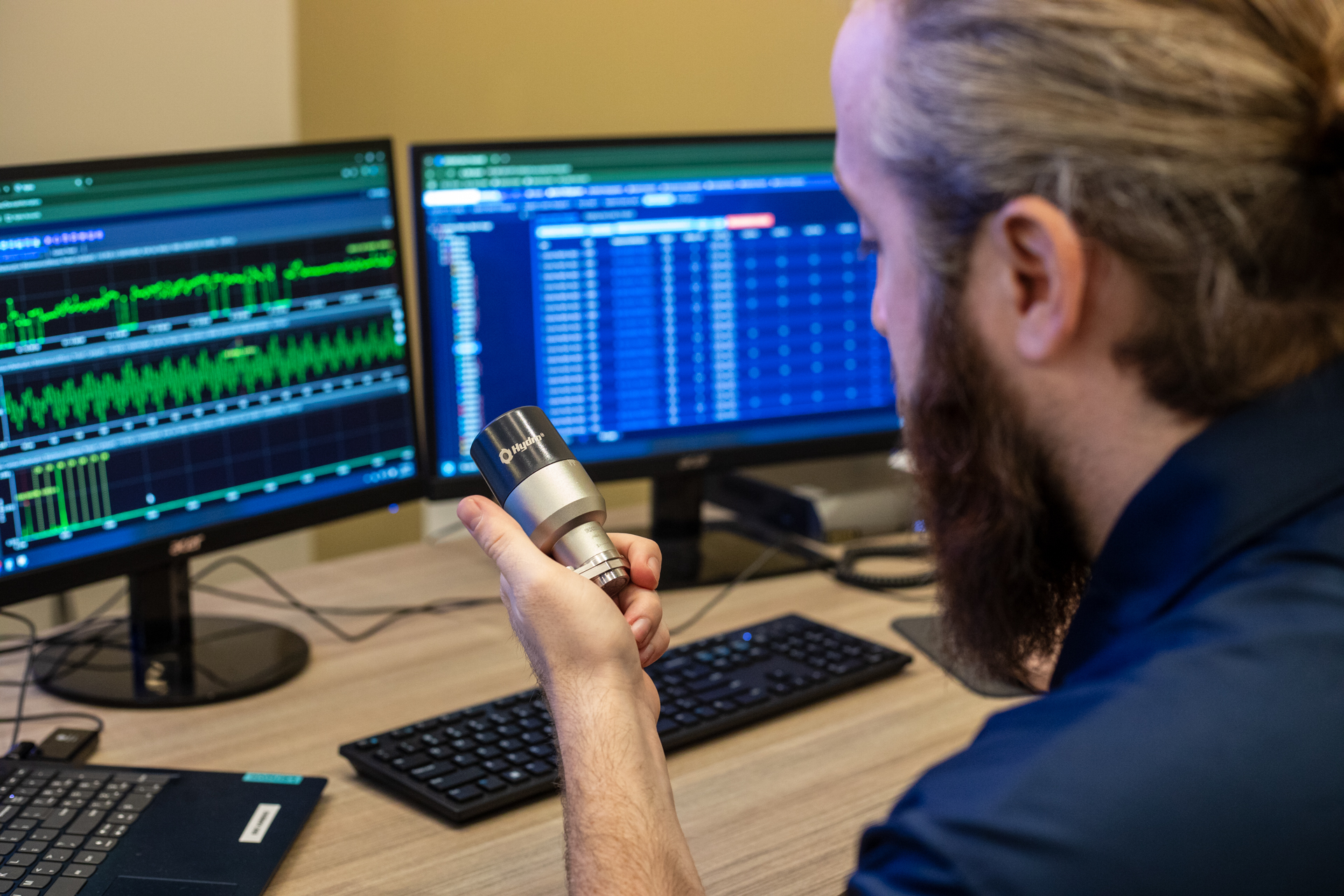
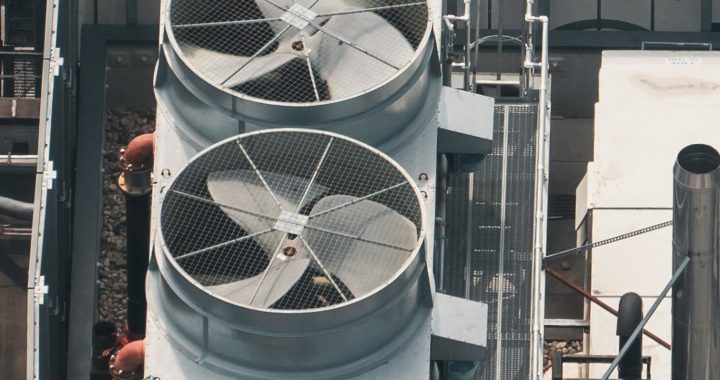
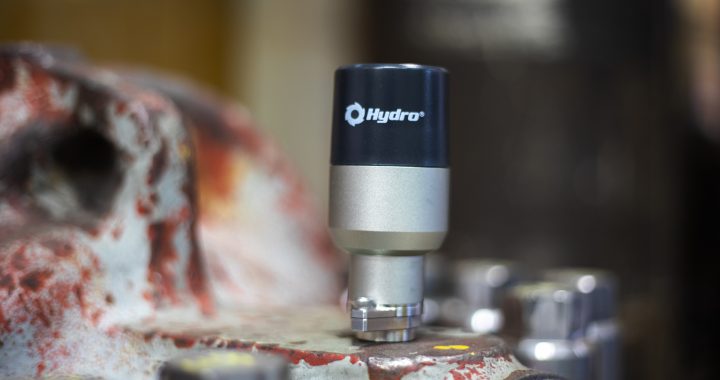
At a Gulf Coast petrochemical facility, Hydro’s Centaur condition monitoring system continuously tracked vibration on two process fin fans before and after maintenance activities performed in mid-February 2024.

Because vibration data had already been collected for months prior to the repairs, the maintenance team had a reliable baseline for comparison. After the work was completed, Centaur continued monitoring the equipment, making it possible to evaluate the effectiveness of the repairs using actual operating data rather than assumptions.

The Results

The comparison told a clear story.

Following the maintenance work:

  • Fin Fan A showed reduced vibration at 6 of 9 measurement locations.
  • Fin Fan B showed reduced vibration at all 9 measurement locations.

Several improvements were especially noteworthy.

For Fin Fan B:

  • One measurement location decreased from 0.400 ips RMS to 0.225 ips RMS, a reduction of approximately 44%.
  • Another dropped from 0.325 ips RMS to 0.095 ips RMS, representing roughly a 71% reduction in vibration.

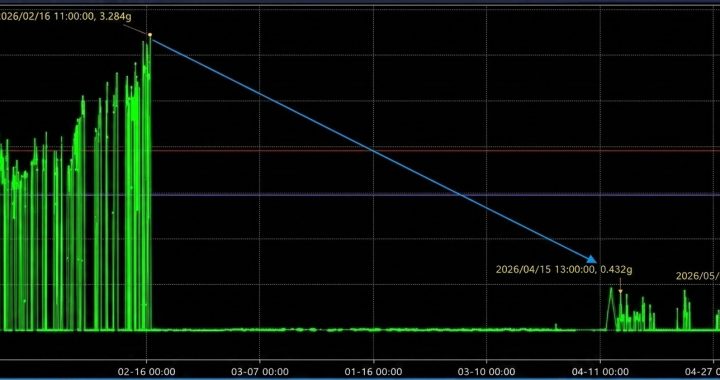
The trend charts also showed a noticeable reduction in vibration amplitudes after the maintenance work, confirming that the improvements were sustained during subsequent operating periods rather than being isolated readings.

Why Verification Matters

Without continuous monitoring, maintenance teams often rely on periodic data collection or operator observations to determine whether repairs were successful.

Continuous monitoring provides a much higher level of confidence by allowing teams to:

  • Compare equipment performance before and after maintenance.
  • Verify that vibration levels have returned to acceptable operating conditions.
  • Identify locations where vibration remains elevated and may require additional investigation.
  • Create documented evidence that maintenance activities produced measurable improvements.

Instead of wondering whether repairs worked, maintenance teams have objective data to support maintenance decisions.

Turning Data Into Better Maintenance Decisions

Condition monitoring isn’t only about detecting failures before they happen. It also helps organizations validate maintenance quality and ensure corrective actions produce the expected results.

By continuously monitoring asset health before and after repairs, facilities gain valuable insight into equipment performance, maintenance effectiveness, and opportunities for ongoing reliability improvements.

When maintenance decisions are backed by continuous machine health data, reliability teams can move beyond assumptions and make decisions with confidence.

Learn more about Centaur, Hydro’s Wireless Condition Monitoring Solution here.

Want the highlights? Download our one-page fin fan case study flyer here.
State of the Art Parts- Expedited Stuffing Boxes

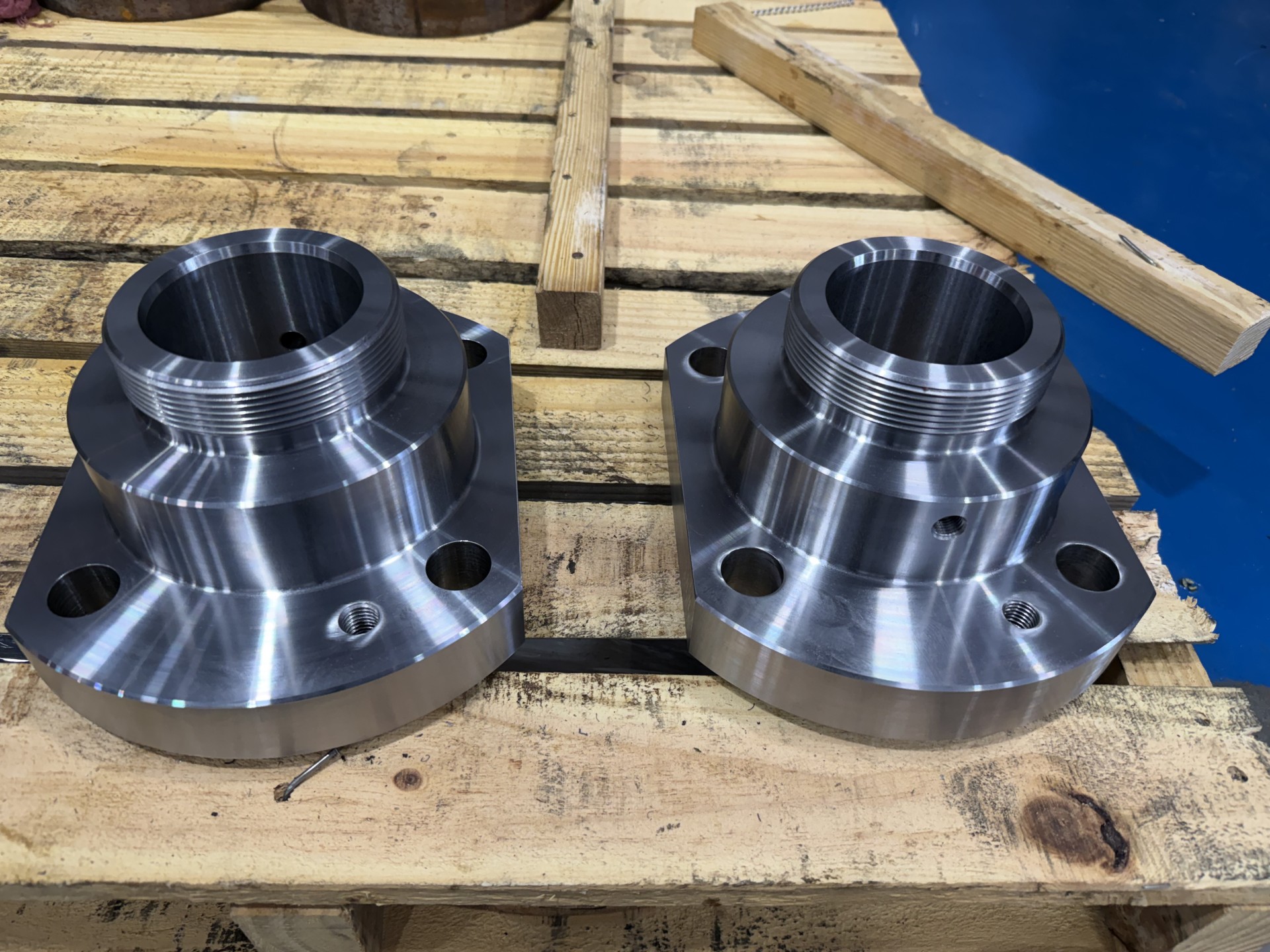
Hydro Parts Solutions recently manufactured two stuffing boxes for an injection pump at a Gulf Coast refinery.
An issue at the refinery had caused two of the stuffing boxes for this application to fail. Because of this unexpected failure, the end user required six new stuffing boxes on an expedited basis.

Hydro Parts Solutions was able to reverse engineer and machine these components from AISI 4140 steel on an aggressive timeline, providing the first two stuffing boxes within 4 days. The remaining four components were completed within 9 days.

Learn more about Hydro Parts Solutions here.

When Rate of Change Tells the Real Story

Some failures don’t arrive with a bang. They begin with a whisper.

This one wasn’t on anyone’s radar. The system made sure it didn’t stay that way.

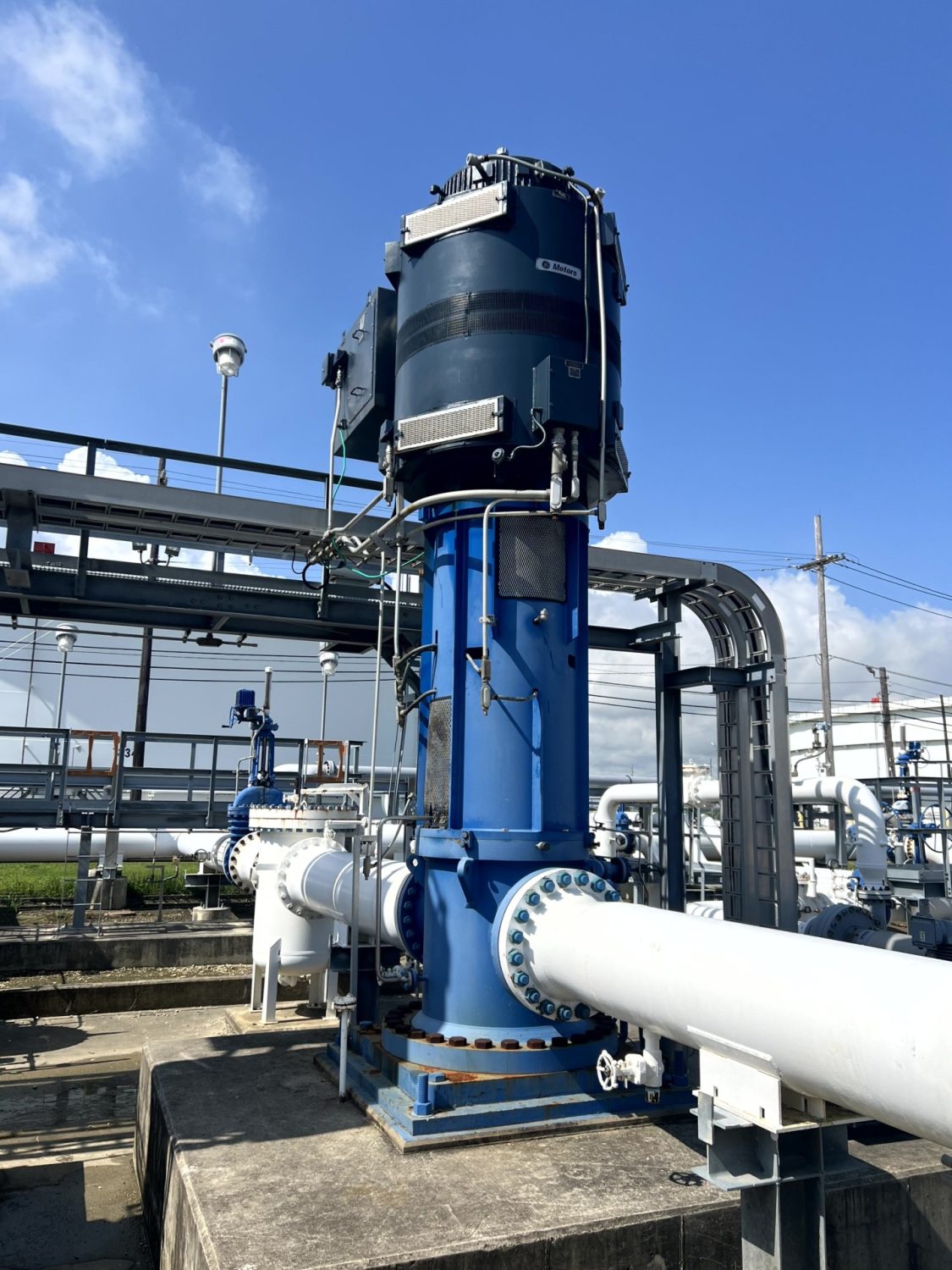
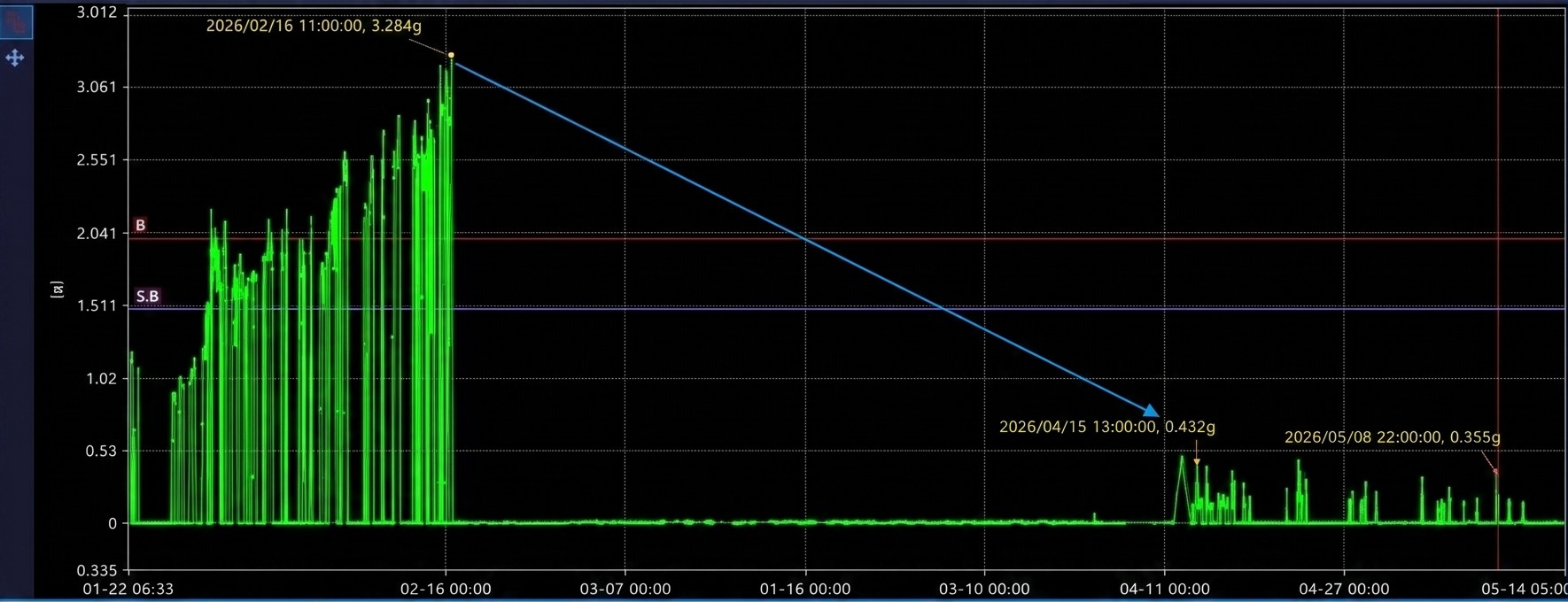
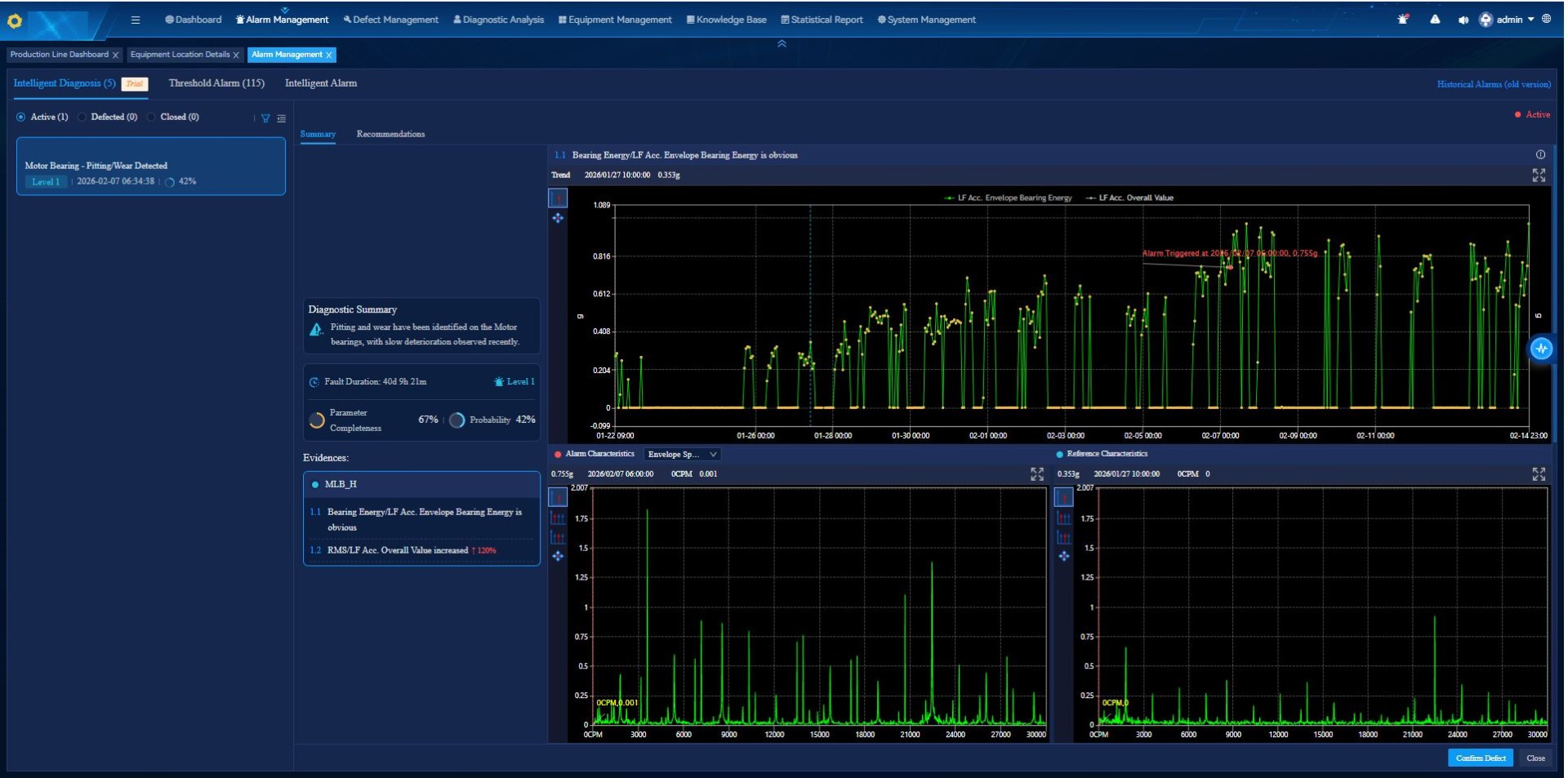
On what had been a stable motor, lower bearing acceleration sat comfortably around 0.5 G. No alarms. No troubling trend. No reason for anyone to hover over that signal. It simply existed in the background, as most healthy assets do.

Then it started to move.

0.5 G to 1 G.
1 G trending toward 3.5 G.

Not a spike. Not noise. A rate of change that didn’t belong.

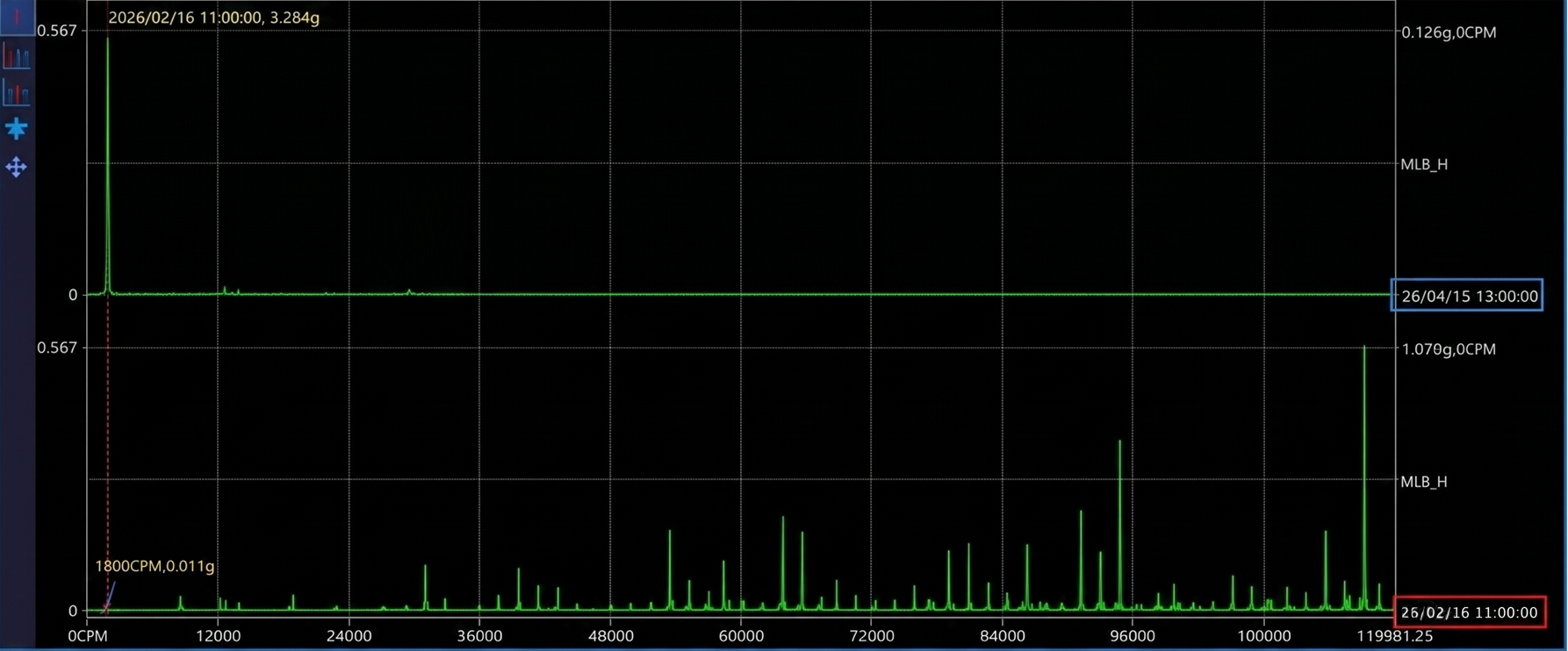
At around 1 G, the system flagged it automatically. The alert was not based on a static threshold alone. It recognized abnormal acceleration growth, consistent with developing bearing damage such as pitting, wear, or abrasion. The model assigned a defined confidence level and pushed it forward.

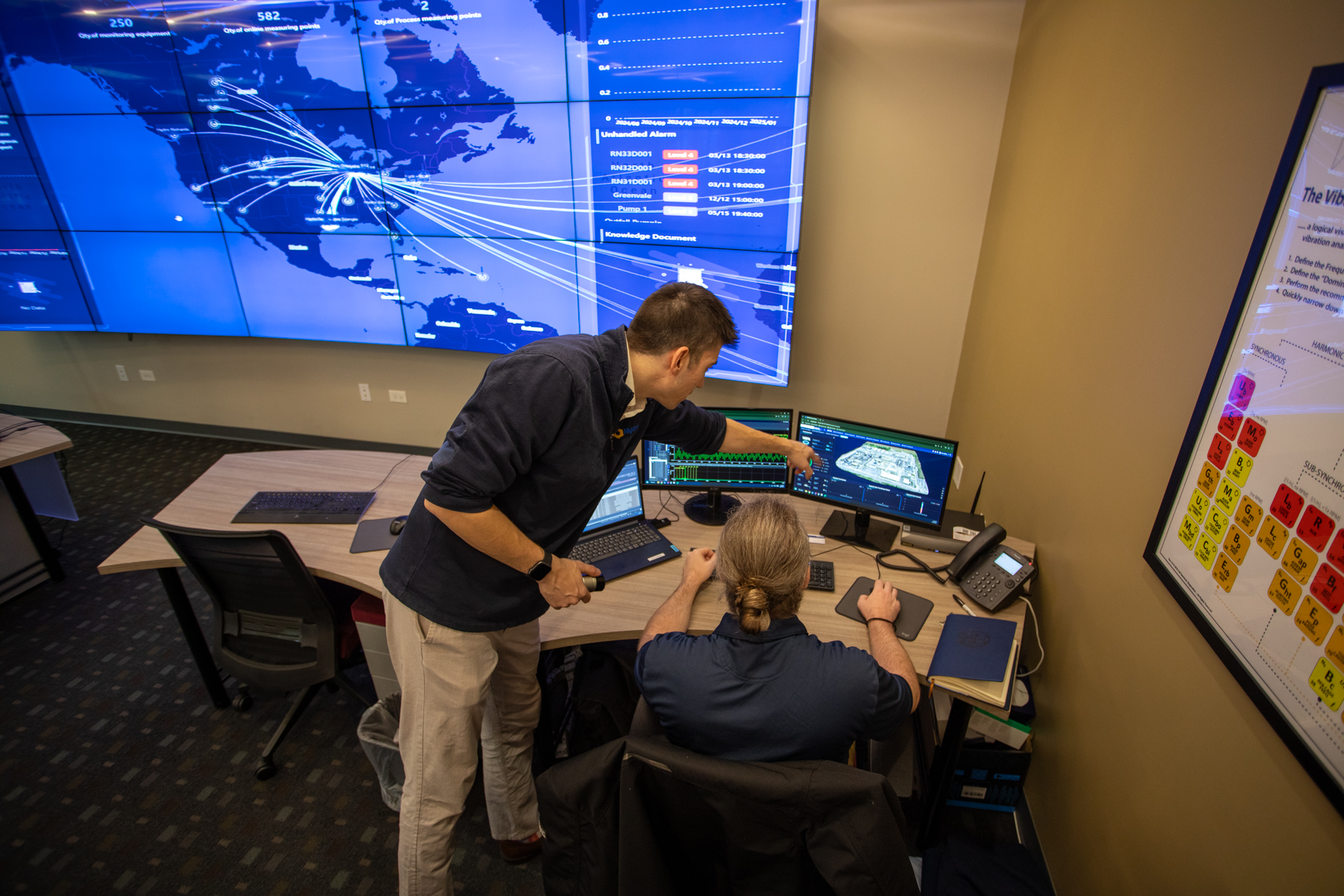
That is when our analysts stepped in.

We reviewed the data, validated the signal, and contacted the customer. They isolated the motor and performed a no load test.

Confirmed. Lower motor bearing damage in progress.

Here is the part that matters.

No one was actively watching that motor for bearing failure. Not because the team lacked skill or discipline. Quite the opposite. In industrial environments, attention is directed toward known risks, existing alerts, and constrained resources. That is how prioritization works.

This motor was not a known risk.

The system caught what had no reason to be in view.

This is where the model proves its value. Continuous monitoring across all assets. Detection driven by rate of change, not just absolute thresholds. Human expertise layered on top for validation and action.

That combination changes the equation.

Instead of waiting for vibration to cross a hard alarm limit, we identify when behavior begins to deviate from its own history. We see the story forming before it becomes expensive.

There is no substitute for good data. There is no replacement for field experience. But when those are paired with intelligent background detection, we stop relying on what happens to be visible. We begin catching what is quietly shifting out of bounds.

And often, that is where failures truly begin.

Where have you seen rate of change tell the story before absolute levels did?

#ConditionMonitoring #PredictiveMaintenance #VibrationAnalysis #ReliabilityEngineering #IndustrialAI #RotatingEquipment

Start catching what your alarms are missing. See how early detection can change your maintenance strategy, here.

Wireless Condition Monitoring for Thrust Bearing End Play

Wireless condition monitoring is often framed as a bold leap into digital transformation. But sometimes its real value is quieter, more practical. It helps us notice what is beginning to drift before it becomes a failure we cannot ignore.

This case study, led by Ares Panagoulias at Hydro, shows exactly that. A large U.S. midstream operator used wireless vibration monitoring not to chase innovation for its own sake, but to solve a specific mechanical problem early. The issue was excessive thrust bearing end play in a between bearings centrifugal pump. Left unchecked, it could have led to far greater damage and downtime.

A Practical Monitoring Strategy

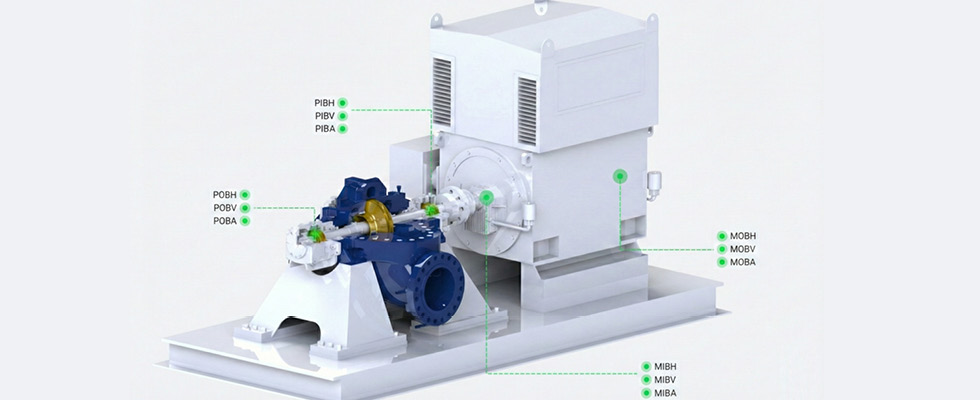
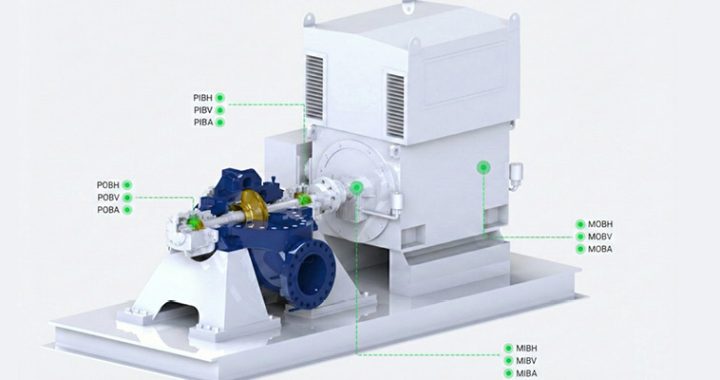
The asset in question was a horizontal, single stage BB1 pump running at mostly fixed speed. Four wireless triaxial accelerometers were mounted at key bearing locations on both the pump and motor housings. Each sensor captured vibration across multiple frequency ranges and also tracked surface temperature.

What stands out is the discipline behind the data strategy. A full time waveform was captured once per hour. Overall vibration values were collected every five minutes. If vibration exceeded a preset alarm threshold, an additional waveform was triggered automatically.

This balanced approach avoided overwhelming the system with continuous high density data. At the same time, it ensured the team could respond quickly when behavior changed. Alerts were sent directly to both the operator and the service provider’s diagnostic team. The system was responsive without being noisy.

The First Signs of Trouble

After several months of baseline operation, the pump outboard bearing began to show elevated vibration. The vertical direction peaked at roughly 0.37 inches per second RMS. Spectral data revealed a dominant running speed component with multiple harmonics. Time waveforms showed periodic impacts consistent with mechanical looseness.

What is important here is pattern recognition. The motor bearings remained stable. The inboard pump bearing showed similar behavior but at lower amplitude. This distribution pointed to a localized mechanical issue within the pump itself rather than a system wide excitation or hydraulic instability.

Phase analysis helped narrow the possibilities further. The vibration behavior did not match hydraulic instability, misalignment, or resonance. The combination of harmonics and impact signatures strongly suggested mechanical looseness. Among likely causes, excessive thrust bearing end play emerged as the most probable.

The maintenance recommendation was focused and intentional. Inspect thrust bearing clearance at the pump outboard end. Verify alignment. Nothing more.

Confirmation in the Field

Inspection confirmed the diagnosis. Axial measurements showed thrust bearing end play at 0.009 inches. After adjustment, it was reduced to 0.004 inches, bringing it back into an acceptable range. No abnormal wear was found elsewhere.

Once returned to service, the improvement was immediate. Overall velocity dropped by roughly 50 percent, falling below 0.20 inches per second RMS. Acceleration levels decreased by about 70 percent. The impact signatures seen before maintenance largely disappeared.

This immediate validation matters. Continuous monitoring did not just detect the issue. It confirmed that the corrective action truly resolved it.

The Larger Lesson

This story is not about advanced analytics or fully autonomous plants. It is about visibility, discipline, and expertise.

Wireless condition monitoring becomes powerful when it is paired with thoughtful sensor placement, structured data collection, and experienced interpretation. The value does not come from data volume alone. It comes from understanding how vibration behavior connects to pump design, operating context, and known failure modes.

In midstream operations, even a modest mechanical correction like adjusting thrust bearing clearance can prevent larger reliability events. When abnormal vibration is detected early, maintenance shifts from reactive to deliberate. Uncertainty drops. Downtime risk shrinks.

In the end, this is what reliability work often feels like. Quiet adjustments made before anyone outside the maintenance team ever notices there was a problem. And that quiet prevention is often the most meaningful success of all.

Read the full case study in Pumps & Systems.

Interested in applying this approach across your fleet? Learn how disciplined monitoring and expert analysis can improve reliability across your critical assets, here.

Case Study- From Liability to Reliability

Our latest article in Pumps & Systems Magazine discusses a case where aging in‑line OH4 pumps were becoming a costly reliability risk after nearly three decades of operation.

This case study shows how a strategic retrofit to an API OH3 design dramatically improved bearing and seal reliability, reduced maintenance effort, and preserved the original footprint—all without disrupting operations. Discover how rethinking legacy equipment turned a chronic maintenance liability into a long‑term reliability win.

Read the full case study here.

Read another case study written by Freddy Cardenas Linero, highlighting a hydraulic modification for reduced flow, here.

Learn more about our Hydro Middle East service centers, where this upgrade was performed, here.